Keloids: Causes, Risk Factors, and Treatment Options

Reviewed by
Dr. Tali Arviv, MD
Founder & Medical Director
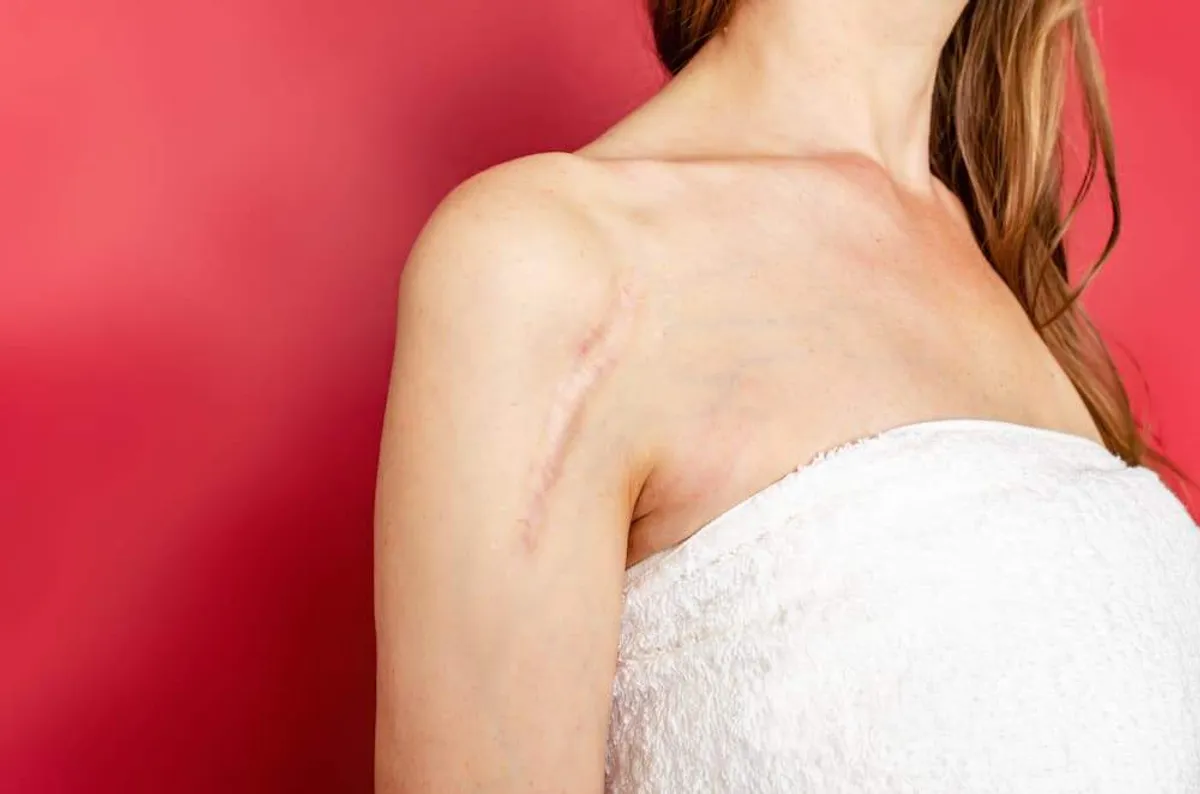
Just about everyone has a slight scar somewhere on their body, and we typically don’t give them too much thought. However, when the scar is severe or raised, it can become a problem that keloid removal can address. Keloids are more than just raised scars. They can be persistent, uncomfortable, and emotionally distressing. Unlike typical scars, keloids grow beyond the original wound, becoming thick, firm, and darker than the surrounding skin. For many people, this overgrowth can cause itching, tenderness, and self-consciousness. Fortunately, advances in dermatology and cosmetic medicine have made keloid removal and treatment more effective than ever. At Arviv Medical Aesthetics, we treat keloids as part of our scar and skin rejuvenation work.
Keloid Treatment Options at Arviv Medical Aesthetics
Keloids respond best to a plan matched to the scar’s size, age, and location. The options we offer include:
- Kenalog injections
- Surgical excision
- Superficial radiation therapy
- Combination therapy
Consistent follow-up, combined therapies, and proactive wound care give you the best chances against keloid recurrence. Early intervention is more effective than waiting, so it is worth having a scar looked at as soon as you suspect a keloid is forming or worsening.
At Arviv Medical Aesthetics, we work to make keloid removal as straightforward and comfortable as possible. Request a consultation today to have your scar assessed.
Frequently Asked Questions
What are keloids, and how do they differ from normal scars?
Keloids are raised, thick scars that form during the wound healing process and keep growing. Unlike normal scars, they extend past the injury and do not shrink on their own.
What causes keloid formation, and am I at risk?
Keloids form when the body overproduces collagen during wound healing. Risk is higher if you have darker skin of African, Hispanic, or Asian descent, a family history of keloids, are between 10 and 30 years of age, have had keloids before, or get piercings, tattoos, or surgeries.
Can keloids keep growing over time, or do they stop?
Keloids do keep growing over time. Unlike typical scars, they do not know when to stop. While some eventually stabilize, they do not shrink on their own.
What treatment options are available for keloids at Arviv Medical Aesthetics?
We offer several keloid treatment options, including Kenalog injections, surgical excision, superficial radiation therapy, and combination therapy.
Is keloid excision surgery effective, and what is the recovery like?
Keloid excision surgery can reduce the size and appearance of a keloid, especially when it is combined with additional treatments such as corticosteroid injections. Recovery typically involves mild to moderate pain, swelling, and redness for a few weeks, with stitches removed in about one to two weeks, depending on the area from which the keloid is removed.
How successful are steroid injections for flattening keloids and preventing recurrence?
Steroid injections are a first-line treatment for keloids and are usually moderately successful at flattening. Many patients see noticeable softening and reduction in size after several injections given every four to six weeks, with reported success rates in the range of 50 to 80 percent.
Are there non-surgical treatments for keloids, like lasers or radiation therapy?
Yes. Non-surgical treatments such as laser therapy and radiation therapy can help reduce redness, flatten the scar, and relieve itching or discomfort by targeting blood vessels within the keloid. Radiation therapy is sometimes used after surgical removal to lower the risk of regrowth. Other non-surgical options include corticosteroid injections, pressure therapy, and cryotherapy.
What can I do to reduce the chance of keloid recurrence after treatment?
Consistent follow-up, combined therapies, and proactive wound care give you the best chances against keloid recurrence.
Are certain skin tones or family histories more prone to keloids?
Yes. Darker skin tones are more prone to keloids, and family history increases the risk of formation.
When should I schedule a consultation if I suspect a keloid is forming or worsening?
As soon as possible. Early intervention is more effective than waiting, so it is best not to delay having the scar assessed.
Still have questions?
Related Articles
CO2 Laser Therapy Benefits for Skin Rejuvenation
Improve skin texture, wrinkles, and scars with CO2 laser therapy for facial rejuvenation. Book your treatment at Arviv Medical Aesthetics in Florida.
Oxygen Infusion Facial Therapy Benefits for Radiant Skin
Boost hydration, glow, and skin recovery with oxygen infusion facial therapy. A gentle option for dull, sensitive, or post-procedure skin at Arviv.

Best Collagen Treatments for Facial Firmness and Skin Quality
Compare the most effective collagen treatments for facial firmness and skin quality. Expert insights from Arviv Medical Aesthetics in Florida.